
Hurts: Finding Healing from Life's Wounds
Life inevitably brings wounds that affect our spirit, soul, and body. While physical injuries may heal with time, emotional and spiritual hurts can leave lasting scars that impact every aspect of our lives and relationships. Understanding how to process these wounds biblically is essential for experiencing the wholeness God desires for us.
The Nature and Impact of Inner Wounds
Our spirit, soul, and body should function in wholeness, but various factors can damage us socially, emotionally, mentally, spiritually, and physically. When one area is injured, other components of our interrelated self are also affected. While people can live fulfilled lives despite physical handicaps, inner wounds from bitterness, unforgiveness, or negative attitudes will blight their whole nature and damage relationships with others and God (Mt 6:14-15; Heb 12:15; 1 Jn 1:6-7, 3:15).
Words and actions profoundly wound inner personalities, especially in children who are susceptible to emotional crippling. Unless seemingly minor incidents are addressed, they cause enormous future problems in relationships and outlook on life. The family and church should be safe havens, yet conflict and hurt often occur.
The residual damage from healed physical injuries can often appear in later life. Similarly, inner hurts that have not been radically addressed can lie dormant until something triggers them and the emotional malicious poison within erupts, reinforcing the destructive negative memories by criticism and complaining, indicating that true forgiveness was not extended to the person. When memories of a situation are shared, and only the facts are presented, it signals that the hurt has been addressed and resolved.
'Hurt people' hurt people; whole people bring wholeness
The Destructive Power of Offence and Rejection
Through offense or misunderstanding, many abandon relationships with family, friends, or church, with rejection being one of Satan's most destructive weapons. Unfortunately, God is often blamed when prayers aren't answered as expected or His requirements seem too costly.
Yet He wants to journey with us and provide genuine healing. Jesus said, blessed is the person who doesn't become offended because of being associated with Me (Mt 11:6, 13:21). We must process wounds so they don't leave us deformed in our inner being, which controls all aspects of life (Lk 17:1-2). We're instructed to "guard our heart above all else, for it determines the course of our life" (Prov 4:23). Jesus didn't let hurts distract Him from His mission but continued showing love to all.
Satan wants us to remain bitter and not experience the multifaceted freedom of life Jesus died to provide (Jn 10:10). If the harm involves physical, sexual, psychological, or spiritual abuse, it may be deeply rooted. Where reportable abuse is involved, the appropriate authorities, both in the church and outside of it, must be informed. Consider seeking guidance or counsel from a trusted friend or pastor.
Don't let the devil win this battle
The Path to Healing and Wholeness
We should not ignore others' imperfections but help them towards wholeness. Pay attention first to your flaws so you can better assist others with theirs: "Why do you look at the speck in your brother's eye and ignore the plank in your eye? First, remove the plank from your eye, then you will see clearly to remove the speck from your brother's eye" (Mt 7:3-5). This highlights self-examination and mutual support, helping each other recognise our weaknesses so we can grow.
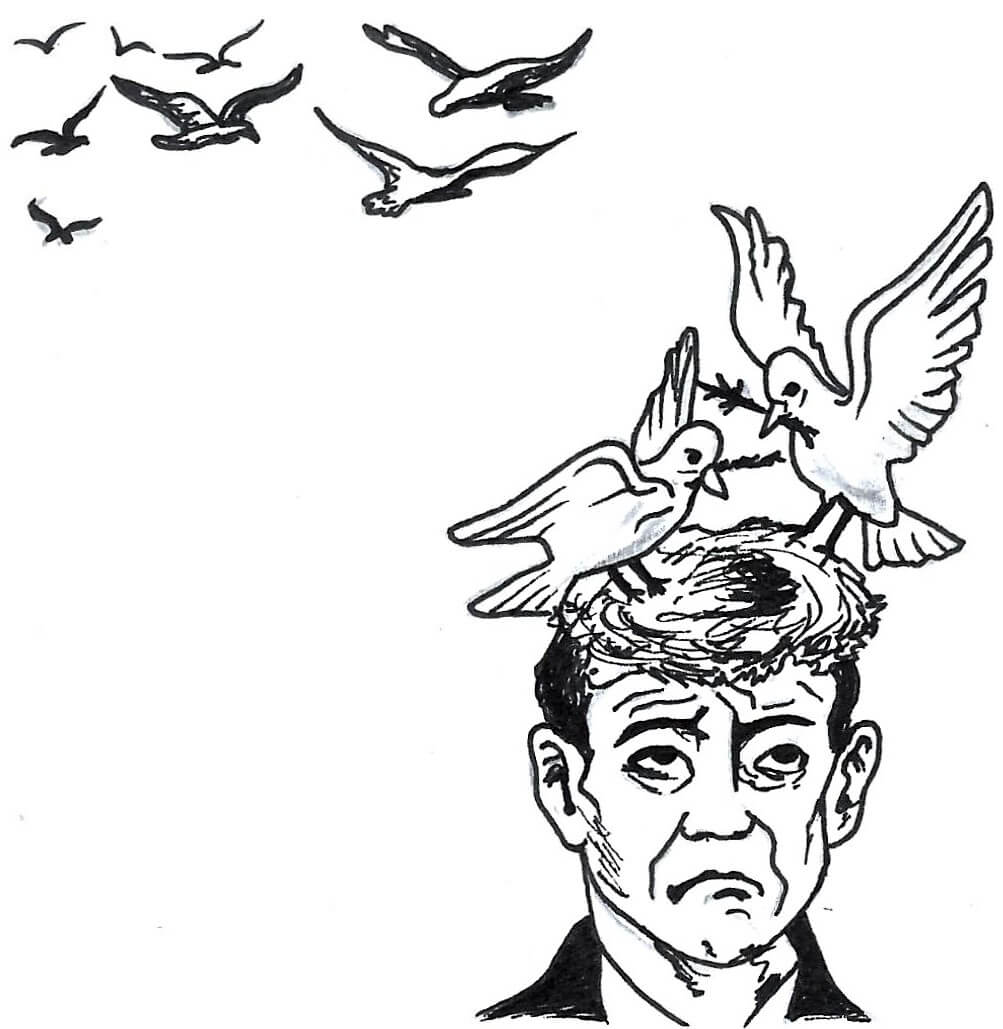
We can't prevent birds flying overhead, but we can stop them taking up residence in our hair! God doesn't keep a record of our forgiven sins, so we must not dwell on the faults and how others have offended us (2 Cor 5:18,19). Love forgives and forgives (Mt 18:22). We must hold on to Jesus but release bitterness and unforgiveness.
Jesus told 70 of His followers, nothing will hurt or injure you for I have given you authority over all the power of the enemy (Lk 10:19). Our responsibility is to walk with Him, not stoop to self-pity, but use the authority of His name to live victorious through emotional and mental hurts. To clarify, emotional issues involve feelings, while mental issues may manifest with physical symptoms.
Our reactions to life's events matter more than the events themselves – these responses determine success or failure. Though life seems unfair with unmet expectations, our commitment to Him transforms challenges into blessings, for all things work for our good (Gen 50:20; Rom 8:28,38). God will never abandon us: "The Lord is close to those who are broken-hearted and saves those who are crushed in spirit" (Ps 34:18). Allow Him to comfort you (2 Cor 1:3-5).
Our growth in righteousness is significantly influenced by our interactions with other individuals, who are also imperfect. By the imperfections of others, we are being refined. As we experience life's challenges, we encounter people who are also experiencing difficulties. The Bible instructs us to pray for and bless those who cause us distress, rather than allowing these hurts to impact us negatively and foster bitterness.
Bring your hurts to the cross for healing
This principle is known as responding in the opposite spirit (Prov 25:21-22; Mt 5:44; Lk 6:27-28, 23:34; Rom 12:14-21). The devil wants to
keep us in the bondage of a mental prison, emphasising the actions of others. We have little control over the treatment received, but we do
have control over our reactions.
The closer our relationships, the more vulnerable we are to hurt. As "A person's enemies are often those in their immediate family" (Mt 10:36), this provides opportunities to put the old selfish nature to death and prove Christ's victory in daily life. Deal with adverse situations promptly to avoid giving the enemy a foothold (Eph 4:26-27).
As Christians, we're in spiritual warfare whether we like it or not. Scripture tells us to put on spiritual armour against the devil's schemes (Eph 6:11; 1 Pet 5:8-9). Stay alert and keep praying (Eph 6:18) – neglecting prayer and Bible reading leaves us vulnerable to conflict.
Hurts become mental prisons if we nurse them. Instead, take these issues to Jesus who came to comfort and restore broken hearts (Ps 34:18, 147:3; Isa 61:1; Lk 4:18). Have I allowed Him to fix my heart or am I holding grudges? Leave past baggage behind and walk in newness of life – Jesus came to set us free (Jn 8:32,36; 2 Cor 5:17).
Focus on our responsibilities to God rather than what others have done to us. Life shouldn't revolve around us; God's glory should be our priority. Watch our words carefully to prevent harm (Eph 4:29-30; Jas 3:2). Don't take matters into your own hands when hurt – surrender pain and anger to God through prayer.
Acknowledge hurt but avoid retaliation and withdrawal. Instead, respond with love and compassion, praying for strength to overcome. This is challenging but essential – turn to Jesus, not away from Him. Learn from Job who, during intense suffering, reached out to others with their troubles and prayed for them. Then his situation was reversed (Job 42:10).
Reflection and Application:
- Identify any unresolved hurts or offenses you may be carrying and bring them to God in prayer for healing.
- Practice responding in the opposite spirit when faced with hurtful situations or difficult people.
- Examine your heart regularly to ensure bitterness and unforgiveness aren't taking root.
- Seek godly counsel or support when dealing with deep wounds or traumatic experiences.
See also: abuse, baggage, bitterness, broken/brokenness, broken hearted, compassion, conflict, emotions, forgiveness, grief, healing, inner healing, not being ministered to, offense, opposite spirit, reaction, reconciliation, relationships, response, restorative justice, retaliation, self-pity, speech, wholeness, words, wounded.