
God's Laws and Their Purpose
Throughout Scripture, God has provided laws and guidelines to direct His people in righteous living. These laws reveal His holy character, define sin, and point us toward our need for a Saviour. Understanding the different types of biblical law helps us discern which principles continue to guide believers today and how they relate to our life in Christ.
The Old Testament Laws
In the Old Testament, God's people were governed by a comprehensive set of rules and regulations covering every aspect of life. These laws were never intended as a method of earning salvation, but rather as guides for living in ways pleasing to God. They defined sin, explained holiness, and set Israel apart from surrounding nations (Lev 20:26). The laws can be classified into three distinct categories:
The moral laws, such as the Ten Commandments, revealed God's nature and His requirements for human conduct. These timeless principles continue to apply today and form the foundation of legislation in many Western nations (Ex 20:1-17). The moral laws provide guidelines for our behaviour, convict us of sin, and drive us to trust in Christ's sufficiency because we can never keep the commandments perfectly (Jn 12:48; Gal 2:15-16; Jas 2:10).
In the New Testament, these moral principles are repeated exactly or expanded upon, with Jesus focusing on inner character qualities rather than merely external conduct (Mt 5:21-48). If a behaviour was prohibited in the Old Testament as displeasing to God, and not explicitly released in the New Testament, it is reasonable to assume it still displeases Him, for He does not change His mind (Num 23:19). We must not presume that in this day of grace and freedom in Christ, such activity would be acceptable to a holy God (Rom 6:1-2,15).
The civil laws controlled daily living for Israel, providing guidelines in areas such as health, diet, divorce, and interpersonal relations (eg. Lev 11-13). While today's society may not specifically follow these regulations, the underlying principles remain valuable guides for lifestyle and personal conduct. God designed these regulations for our benefit, and we disregard them at our peril.
The ceremonial laws related specifically to Israel's worship of God. This Old Testament system, being rigid and 'by the letter of the law', often resulted in lifeless rituals and harsh legalism (eg. Lev 1:1-13). These laws pointed forward to Jesus Christ and, since His death and resurrection, are no longer necessary. However, the principles of love and worship of a holy God still apply.
For Old Testament Israel, all three types of laws blended together. Breaking a civil or ceremonial law was a moral problem; conversely, breaking a moral law had civil (and often ceremonial) consequences. They only went hand-in-hand because Israel was both a nation and a worshipping community, thus 'separation of church and state' was not one of their core tenets as it is for the church today.
Jesus and the Law
No one has ever been justified by trying to keep the law – it is impossible for humans to be completely sinless. The law was given to 'bring us to Christ', showing us that humanity is biased towards sin and can only seek pardon through Him (Gal 3:24). This was the reason Christ came to earth and gave His life to secure our release from this predicament. Our salvation is a gift of God; we can only accept it, not earn it.
Jesus did not come to abolish the law of God but to fulfil its demands and show us its intended purpose – righteous living (Mt 5:17). Paul deduced its essence, saying the whole law is summed up as "Love your neighbour as yourself" – meaning be 'other' focused (Gal 5:14). This includes reaching out to others to bring restoration and reconciliation (2 Cor 5:18); considering others and serving them (Mt 20:28; Jn 13:14-15; Rom 15:1-3; Phil 2:4-8). These actions flow from loving each other with a pure love, just as Christ loves us (Jn 13:34, 15:12; 1 Pet 1:22), and because we are vitally connected to Christ as He was to His Father (Jn 5:30, 15:4-10). Our obedience to God is to be motivated by love and reverence, based on a personal relationship, not legalistic obligations and conformity to regulations as in Old Testament times.
Above all, Jesus highlighted 'the law of love'. He condemned those who legalistically applied 'the law' without concern for the needs of people (Mt 23:23-24; Lk 6:1-11). Love is the true means to fulfil the law, and Paul devoted a whole chapter to expounding its nature (Rom 13:8,10; 1 Cor 13:1-13).
New Testament Teaching About Law
As Christians, we are under the Law of Christ which should govern all our decisions and actions (1 Cor 9:21; Gal 6:2). Instead of concentrating on what we are not to do, Jesus expressed the truth positively when He summarised the Old Testament laws as: "Love the Lord your God with all your heart, soul, mind and strength... Love your neighbour as yourself" (Mk 12:30-31). If we faithfully fulfil these two commands, we will find that we have kept all the others. Understanding and living this way brings glory to God and results in receiving His blessing and favour, as well as becoming more like Him (Rom 8:29; Jas 1:25).
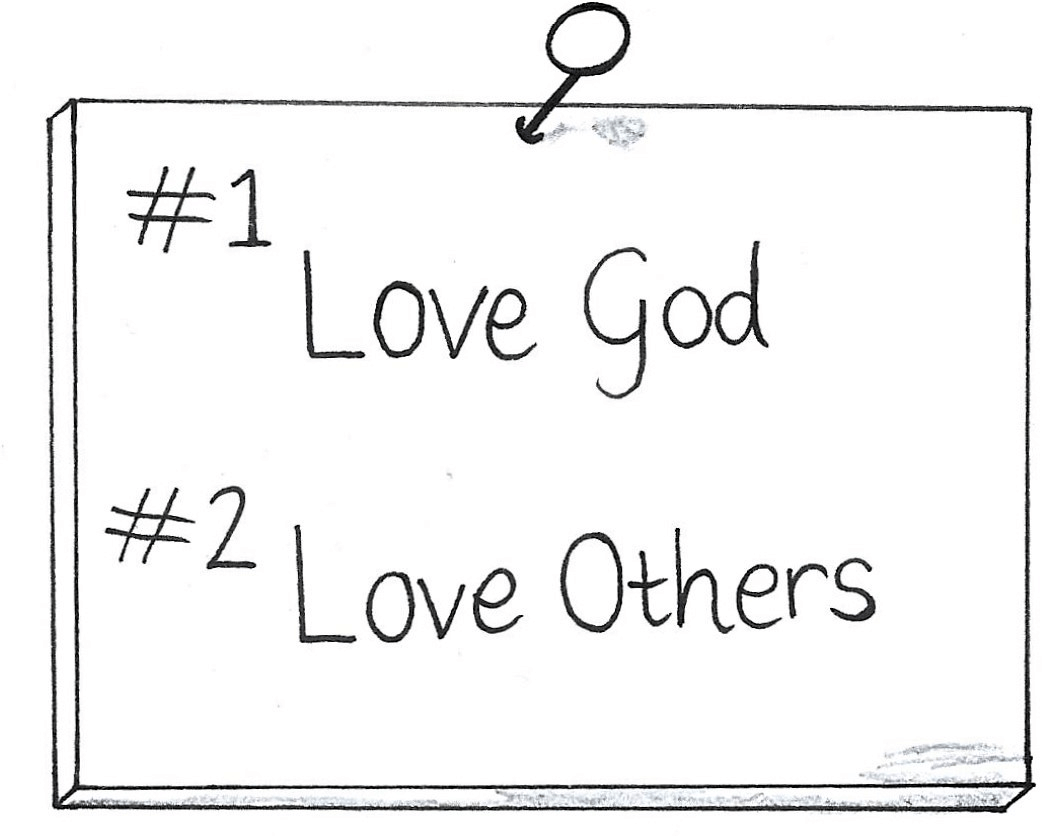
Observing God's Law, then, is an expression of devotion, using it as a guide for living a life pleasing to Him (Deut 6:4-6; Gal 2:16-17; Eph 2:8-9).
Because of our individual relationship with God and the guidance of the Holy Spirit, besides the awareness of His laws written in our hearts and minds, our consciences are quickened and we are enabled to respond to Biblical truth, resulting in decisions governed by the Golden Rule – in everything, do to others what you wish they would do for you (Mt 7:12; Gal 5:18; Heb 8:10, 10:16). "Through Christ Jesus the law of the Spirit of life has set me free from the law of sin and death" (Rom 8:2). This is the ministry of the Holy Spirit working within, bringing us into the place of victory that Christ died to provide.
Law in the Contemporary World
Today, many of the traditional rules are no longer utilized, yet the main principle of loving and worshipping God still applies. Governments and other delegated authorities still need rules for regulating society. Unless they instruct us to contravene a direct command of God, we should adhere to them for the sake of all. Where there is a clash, "We must obey God rather than man" (Act 5:29). Any consequences for civil disobedience must be accepted, just as when God's directions are violated there is a penalty. All laws need to be impartial, and if there has been wrongdoing, the consequences must be met.
God has established human governments, and the laws they create should be for the benefit of their citizens (Rom 13:1-7). However, they have not been given authority by God to change His laws, such as those relating to marriage (between one man and one woman), nor to sanction same-sex marriages. We must not rewrite God's laws to realign them with what is politically correct – rather, live by them, for this results in blessing.
In areas such as the observance of holy days and what we eat or drink, it is up to our personal conscience; however, we are not to cause another to stumble, instead being considerate of their weak points (Mt 18:6-7; Rom 14:1-22; 1 Cor 8:1-13, 10:32; 2 Cor 6:3; Col 2:16-23). Ask yourself: do these actions help or hinder our love for God and responsibility to our fellow believers? Jesus said, if we love Him we will obey His teaching (Jn 14:15). He spoke and did only what His Father instructed Him, and we should treat others as we would like to be treated (Lk 6:31; Jn 14:10,23-24,31).
We may not fully understand the wisdom or purpose behind God's laws but do know they are given in love for our protection and benefit, restricting us from what would lead to our destruction. If we fail to obey them it is at our peril, as they are designed for healthy and upright living, promoting safety and stability in society (Ps 19:7-11). It is wise not to break them or they will break us! External laws imposed on society to regulate behaviour can't substitute for the rule of God in our heart. We should willingly obey, coupling our love for Him with self-control and self-discipline.
Biblical Terminology
The older Bible translations use a number of expressions that are not familiar to many people today:
a. The book of the law – The prophets spoke of this meaning the five books of Moses – Genesis to Deuteronomy.
b. The lawgiver – In the Old Testament, Moses, under God's direction, brought the divine laws to the Israelites (Ex 21:1ff, 34:1ff; Jn 1:17). Ultimately, God alone is the one true lawgiver and judge (Jas 4:12).
c. The law of sin – This refers to the dominating power of sin over the life of a person – a principle or rule of action springing from the old fleshly nature (Rom 7:25, 8:2,21-25).
d. The lawless one – This is the anti-Christ, a powerful agent of Satan. In the last days, he will come to prominence exerting great power over people and deceiving them about God's purposes (2 Thes 2:8).
e. The law of the Lord – This actually encompasses the whole Word of God, not just the Ten Commandments or the moral law but the doctrines, declarations, narrations, precepts, counsels, exhortations, promises, threats, and particularly the covenant made with man (Josh 1:8; Ps 1:2, 119:70). In the keeping of them there is great reward (Ps 19:11). "The blessing if you obey the commands of the Lord your God... the curse if you disobey the commands of the Lord your God" (Deut 11:27-28). As the Word will be our judge, it makes good sense to read and follow its directions (Jn 12:48).
Reflection and Application:
- Consider how the moral principles of God's law continue to guide your daily decisions and relationships with others.
- Reflect on whether your obedience to God flows from love and devotion rather than mere duty or legalism.
- Examine areas where civil or societal expectations may conflict with God's commands and prepare your response.
- Ask the Holy Spirit to write God's laws on your heart, enabling you to live in ways that please Him.
See also: authority, commandments, government, grace, legalism, obedience, questionable practices, ritual, self-discipline.