
Understanding What Is Forbidden
The concept of what is forbidden represents boundaries established for our protection and well-being. Understanding these prohibitions requires wisdom, discernment, and a commitment to living within the parameters set by divine authority.
The Original Prohibition
God gave Adam and Eve only one prohibition: "You must not eat from the tree of the knowledge of good and evil" (Gen 2:17). Despite abundant other food sources, Satan tempted them to defy God. Since then, humanity continues to violate God's commands at our own peril.
This restriction was not meant to deprive but to protect, representing a clear boundary between obedience and rebellion. It established that true freedom exists within boundaries, not in their absence. God's command was an invitation to trust His wisdom rather than pursue autonomous understanding.
Disobeying God always leads to disaster. Sin has consequences even if we unknowingly do wrong; instinctively we know God's laws if we listen to our conscience as His
requirements are written in our hearts (Lev 5:17; Rom 2:15).
The Nature of Temptation
We are continually presented with enticing 'forbidden fruit' leading us away from walking in the Lord's will. Temptation comes in many forms; Satan knows our weak points and targets these areas. Self-discipline is required to 'not eat' what is not permitted.
Temptation often presents itself as something desirable, reasonable, or beneficial. The serpent's question to Eve—"Did God really say...?"—introduces doubt, suggesting God's restrictions are unnecessarily harsh. This same strategy continues to deceive us today.
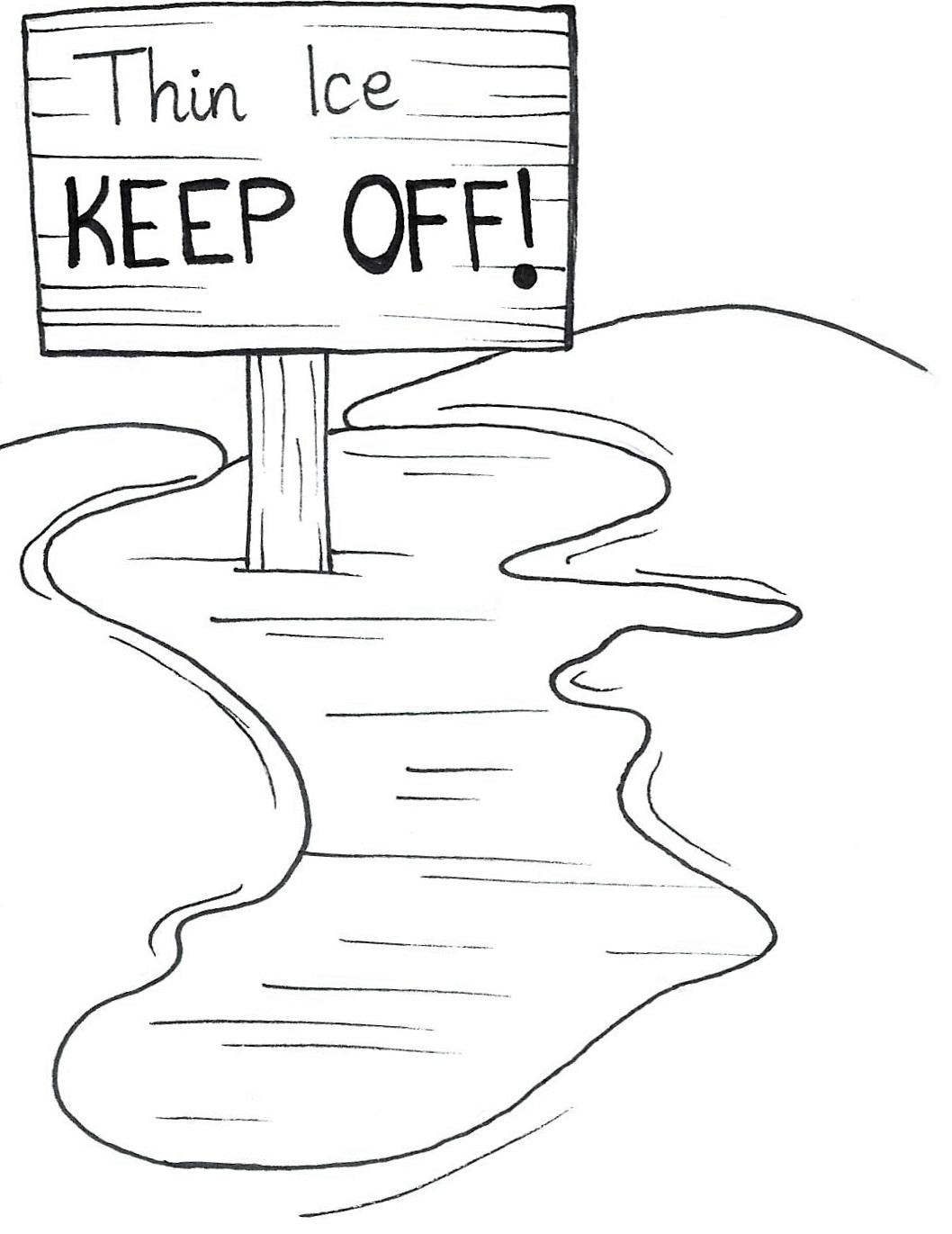
God's commands are given for our benefit. These boundaries are not to inhibit us but to protect us from inherent danger. It is common-sense not to put ourselves in precarious positions.
To be blessed, obey the rules
As in the Garden of Eden, God did not erect a physical barrier preventing Adam and Eve from taking the prohibited fruit; so it is with
us—the fruit is accessible if we persist in that unwise choice. What is the forbidden fruit that I need to avoid?
God may well say to us, 'what part of "You shall not…" don't you understand?' It is our duty to obey wholeheartedly the 'does' of Scripture and refrain from the 'do nots'.
His does and do nots are for our good. It is essential to know what His requirements are for us, how we are to live and respond according to our
conscience.
Authority and Compliance
Do I respect and comply with government and societies laws, understanding that these authorities are God's delegated rulers? (Rom 13:1-7). If we flout the prohibitions or think they don't apply, on what grounds do we consider we are exempt?
The principle of authority extends beyond divine commandments to include human institutions. When we resist legitimate authority, we often place ourselves in positions of vulnerability. Submitting to established boundaries is wisdom confirmed by Scripture and practical experience.
Understanding the purpose behind prohibitions helps us maintain proper perspective. Rules are not arbitrary; they flow from God's character and desire for our flourishing. Obedience becomes an expression of trust rather than mere compliance.
The challenge lies in distinguishing between God-given boundaries and human traditions that may contradict His word. Discernment, guided by Scripture and the Holy Spirit, enables us to navigate this distinction faithfully.
Protective Boundaries
God's prohibitions function like guardrails on a dangerous road—they limit our freedom to prevent catastrophe while allowing us to journey safely toward our destination.
Recognizing the protective nature of divine restrictions transforms our understanding from oppression to love, from limitation to liberation within the bounds of safety.
Freedom is not the absence of boundaries but the ability to flourish within them.
Reflection and Application:
- Identify areas of personal vulnerability to forbidden temptations and develop specific strategies for resistance.
- Examine attitudes toward authority and established boundaries, asking whether resistance reflects pride or legitimate concern.
- Develop strategies for self-discipline in resisting prohibited actions, including accountability relationships and prayer habits.
- Cultivate gratitude for God's protective guidance and commandments, viewing them as expressions of His love rather than restrictions.