
Stumble / Stumbling Block – Turning Obstacles into Stepping-Stones
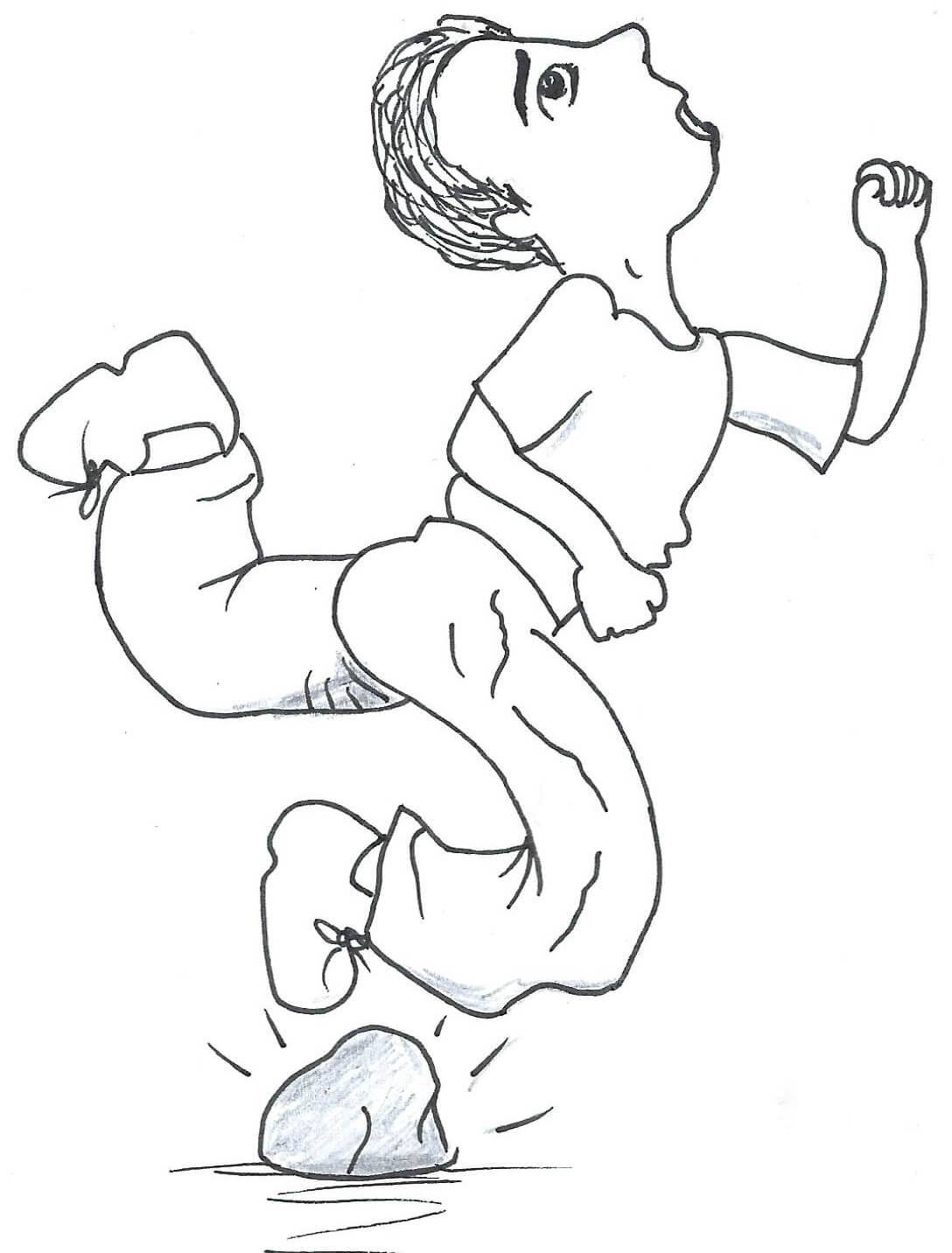
A stumbling block is an obstruction that hinders progress and causes a person to fall. In the Christian context, such a barrier keeps a person from developing a relationship with Christ and brings them into bondage to sin.
From Barriers to Blessings
Satan uses a multitude of means – such as temptation, taking offence or ungodly mindsets – to try to gain the advantage over believers. Our relationship with Christ and attitude in life determine whether we are crushed and destroyed by the barriers we encounter, or rise up victorious by using them as stepping-stones. Joseph said, “You intended to harm me, but God [with whom I co-operated] intended it for good, to accomplish what is now being done…” (Gen 50:20). Paul also turned a challenging ‘thorn in the flesh’ into a blessing that worked for, not against him (2 Cor 12:7-10).
Pharisees: Putting Stumbling Blocks in the Way
Jesus condemned the Pharisees for putting stumbling blocks in the path of those who wanted to follow Him. Instead of opening the way to God, they ‘shut the door of the kingdom of heaven in people’s faces’, refusing to enter themselves and hindering those who were trying to enter (Mt 23:13). They loaded others with burdens too heavy to carry, yet would not lift a finger to help (Lk 11:46), and took away ‘the key to knowledge’ (Lk 11:52). Their hypocrisy, pride and man-made rules tripped up sincere seekers, and Jesus issued a solemn warning that it would be better for such a person to be thrown into the sea with a millstone tied around their neck than to cause one of these little ones to stumble (Mt 18:6; Mk 9:42; Lk 17:1-2).
Recognising Stumbling Blocks
Jesus warned that it is a serious thing to cause another to be offended or stumble, even though it is inevitable there will always be reasons or opportunities to take offence (Mt 18:6-7). We must all be sensitive to the vulnerabilities of others, and not exploit our freedom in Christ as an occasion to cater to our selfish desires, for we are potentially capable of falling into sin if we don’t maintain our vital relationship with Him (Rom 6:1; Gal 5:13, 6:1; Jud 1:24).
We have a responsibility both for ourselves and for others
Discernment is also required, so that we analyse correctly what actually stands in our way, for not every obstacle comes from the enemy. The cross of Christ was an obstacle to the Jews believing (1 Cor 1:23), and Christ Himself continues to be a stumbling block to many people – because they don’t consider that salvation is a gift to be accepted by faith rather than being earned; others refuse to obey His teaching, or submit to His Lordship, because they do not receive their desired answers to prayer (Lk 6:46; Jn 6:67; Rom 9:33; Eph 2:8-9; 1 Pet 2:8). We must therefore analyse and discern whether the barrier before us is something Satan has placed to trip us up, or Christ confronting an area of our lives that must change – for what appears to be a stumbling block may in fact be an invitation to deeper faith.
Yet if, as sincere believers, we do stumble, the Bible says it isn’t fatal, for the Lord holds us with His hand (Ps 37:23-24, 145:14). God doesn’t discard those who fall; through repentance and the grace of God, restoration can take place. Stumbling does not indicate failure, but quitting does. The righteous may fall many times, yet each time they rise again (Prov 24:16); the psalmist confirms that though we stumble, we will not fall headlong, for the Lord upholds us with His hand, and Micah could declare in faith, ‘Though I have fallen, I will rise’ (Mic 7:8).
Ask yourself: What did I learn so I won’t repeat this mistake?
What matters is not the fall itself, but what we do afterwards. Having fallen, get up and move on wiser: take the stumble to the Lord in honest repentance, ask why it happened, and learn the lesson it teaches – identifying the habit, relationship, attitude or neglect that tripped us, and dealing with it so the same stone doesn’t catch our feet again (Ps 51; 2 Cor 7:10-11). A fall honestly examined becomes a stepping-stone: it humbles us, deepens our dependence on Christ, sharpens our vigilance for the next stretch of the path, and equips us to help others who stumble over the same ground, for we can only ‘restore gently’ those caught in sin because we too know what falling feels like (Gal 6:1). So don’t linger where you fell, looking back in self-pity or shame; rise, press on toward the goal, and let the wisdom gained by the stumble make your next steps more sure (Phil 3:13-14).
Freedom, Conscience and the Weaker Believer
Jesus and His Word are ‘the light’, so by knowing Him and living in the truth of the Word we will see where we are going and won’t stumble (Ps 119:105,130; Jn 8:12, 11:9-10, 12:35,46).
There should be total unity and obedience among all believers in the areas central to our faith as indicated by the Bible, with no compromise or question. However, in matters not specifically forbidden or endorsed by Scripture, Christians are free to follow their conscience and understanding of Scripture to govern their decisions and make ‘judgement calls’, yet with the overriding principle “not to put any stumbling block or obstacle in another’s way” (Mt 23:13; Rom 14:13,20-21; 1 Cor 8:9-13).
Beware of causing anyone else to stumble – 1 Corinthians 10:32
Keeping Our Eyes Open – Naturally and Spiritually
Both in the natural and the spiritual, we need to keep our eyes open for what can trip us up. In the natural realm we instinctively watch our step, scanning the path ahead for hazards, obstacles and uneven ground, and the same vigilance is required spiritually. Solomon urged, ‘Above all else, guard your heart, for everything you do flows from it’ (Prov 4:23), and added, ‘Ponder the path of thy feet, and let all thy ways be established’ (Prov 4:26). Peter commands believers to be sober-minded and watchful, because the devil prowls around like a roaring lion looking for someone to devour (1 Pet 5:8). Jesus told His disciples to ‘watch and pray so that you will not fall into temptation’ (Mt 26:41). Keeping our eyes open means honestly identifying the things that can trip us up – habits, relationships, offence, fatigue, ungodly mindsets – and dealing with them before they become a fall hazard, for an obstacle that is seen early can be stepped around, while one unnoticed usually ends in a stumble.
Reflection and Application
- What could cause me to stumble or take offence?
- Where are the vulnerable points in my personality that Satan could exploit to gain an advantage over me?
- What do I need to avoid or correct so I don’t cause others to stumble, yet still challenge them about their commitment to the Lord?
- Am I protecting children and young Christians from anything that could cause them to stumble, until they are established and mature in Christ?
See also: attitude, conscience, discernment, failure, habits, hinder, offence, restore, weakness.