
Sleep: God's Gift of Rest and Renewal
Sleep is God's nightly provision for renewal — the gift by which body, mind and spirit are restored. Yet in a restless, twenty-four-hour world, many treat rest as optional rather than receiving it as a daily act of trust in the One who neither slumbers nor sleeps (Ps 121:4).
The Gift of Rest
The body needs adequate sleep and rest to rejuvenate, as prolonged periods of sleep deprivation are detrimental to its long-term wellbeing. From creation onward God built the rhythm of work and rest into life: night falls, the world grows quiet, and we surrender consciousness in acknowledgement that He sustains all things while we are powerless to hold them together ourselves (Ps 127:2). To sleep well is therefore an act of humility and faith, not laziness.
He grants sleep to those He loves – Psalm 127:2
The Psalmist said, "I lie down and sleep in peace" (Ps 3:5-6, 4:8). His confidence did not rest in quiet circumstances — he wrote those words while fleeing for his life — but in God's unfailing presence. Peace at night flows from peace with God by day.
When Sleep Eludes Us
Increasingly people are unable to sleep soundly; the causes include an overactive mind, conflict, stress, worry, illness and pain. If you are worried about circumstances, have you committed your way to God, getting Him involved in the situation, or are you trying to battle on without His help (Ps 37:3-5; 1 Pet 5:7)? Anxiety thrives in the dark hours, rehearsing problems that prayer was designed to carry.
In peace I will lie down and sleep, for you alone, Lord, make me dwell in safety – Psalm 4:8
Rather than replaying the negative situations over in your mind, talk to the Shepherd! Think on God's goodness, pray, and reflect on His blessings (Ps 63:6-7). A heart that ends the day in thanksgiving rarely begins the night in fear, and even broken sleep can become an opportunity for quiet conversation with God.
Sleep as a Spiritual Picture
Sleep is also used as a figure of speech for physical laziness, with the challenge given to awaken from spiritual sluggishness. Solomon puts it plainly: "He who gathers crops in summer is a prudent son, but he who sleeps during harvest is a disgraceful son" (Prov 10:5; cf. Mt 26:41; 1 Thes 5:4-8). The lazy field worker who sleeps through harvest loses the very provision God placed within reach, and Scripture holds that picture before every believer. Jesus found His disciples asleep in Gethsemane at the hour of greatest testing, and His question still probes the heart: "Could you not keep watch with me for one hour?" (Mt 26:40).
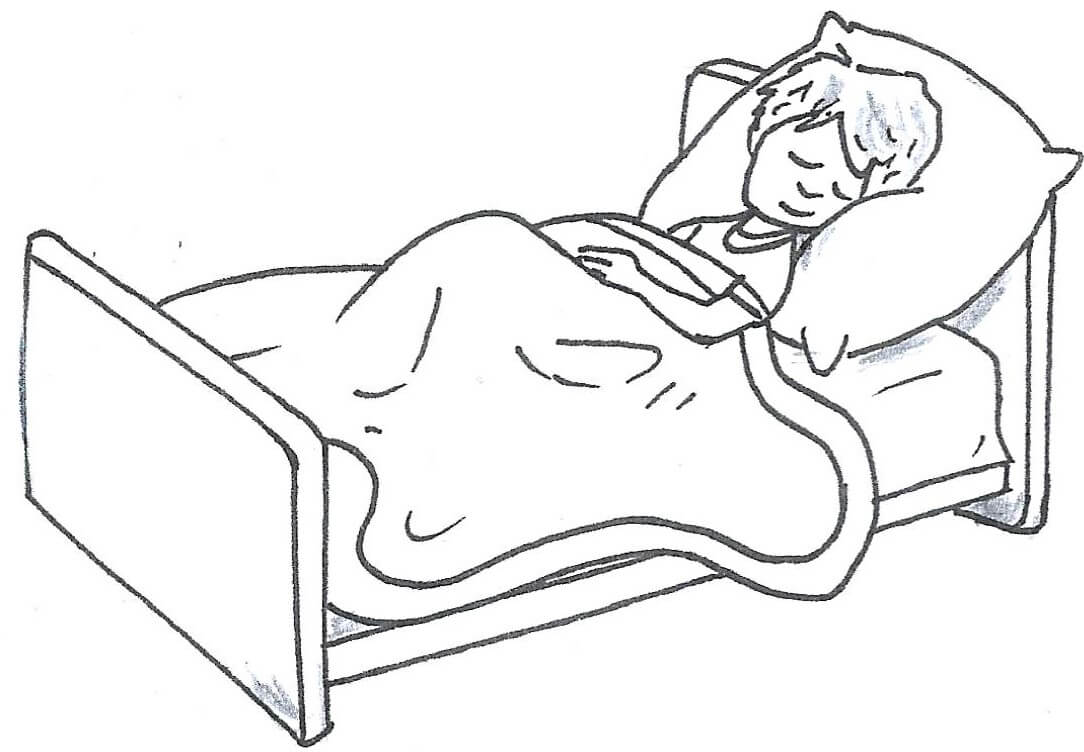
Proverbs repeatedly returns to the obsession with sleep, reserving some of its strongest words for those who slumber during harvest. The sluggard is teased with the mocking question, "How long will you lie there, you sluggard? When will you get up from your sleep?" — for "a little sleep, a little slumber, a little folding of the hands to rest — and poverty will come on you like a thief and scarcity like an armed man" (Prov 6:9-11; cf. 24:33-34). The warning is sharpened elsewhere: love of sleep clothes a person in rags (Prov 23:21), love sleep and you grow poor (Prov 20:13), laziness brings deep sleep and a shiftless soul goes hungry (Prov 19:15), and the sluggard's door creaks like one turning on his bed at harvest time (Prov 26:14). Although sleep is a necessary component of life, when the desire to sleep and be lazy extends beyond what is normal and responsibilities begin to go unfulfilled, what was designed as a blessing becomes detrimental.
Just as oversleeping wastes the natural day, spiritual drowsiness — indifference, distraction and complacency — squanders the opportunities God sets before us. A drowsy believer drifts through worship without wonder, hears conviction without response, and passes people in need without noticing. That is why Paul urges the church to wake from sleep, casting off the works of darkness and putting on the armour of light (Rom 13:11-12), watching and staying sober-hearted while the day of grace lasts.
Be fully awake and active for Christ
The Bible also refers to death as sleep, an interim period for the body before the resurrection (Jn 11:11-14). For the believer this image is full of comfort: as sleep anticipates a fresh morning, so death for God's people anticipates a glorious awakening. This stage involves a limited awareness of Jesus, but not the full realisation, as the article on Sheol indicates. Likewise, unbelievers also pass through an interim in the Hades realm of Sheol, but theirs is an uneasy waiting — they too will rise, yet to face judgement and eternal condemnation rather than a glorious awakening.
Reflection and Application:
- End each day by handing tomorrow's concerns to God in prayer instead of rehearsing them in bed.
- Replace late-night scrolling or overthinking with reflecting on God's blessings.
- Treat regular sleep and rest as stewardship of the body God has entrusted to you.
- Stay spiritually awake — guard against complacency and sluggishness.