
Clothing: Biblical Perspectives on Dress, Modesty, and Spiritual Symbolism
Clothing serves as both a practical necessity and a profound symbol throughout Scripture, reflecting God's provision, human dignity, and
spiritual truths. From the simple garments of biblical times to the metaphorical robes of salvation, dress in the Bible reveals deeper
insights about God, humanity, and our relationship with the divine.
Biblical Clothing Practices
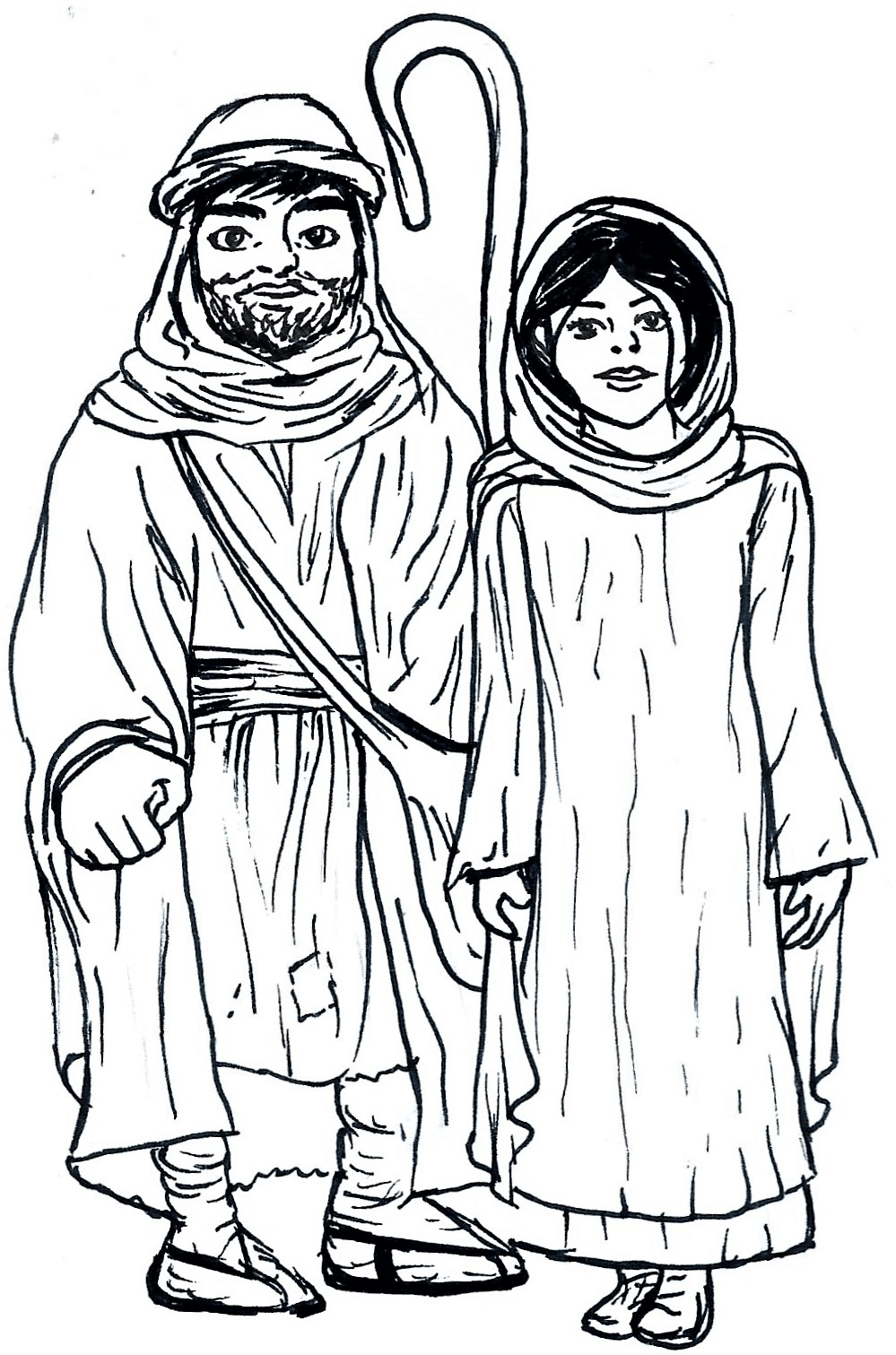
Clothing styles in biblical times were very similar for both men and women. Their dress consisted of a loincloth (a single piece of material wrapped around the hips) as an undergarment; a knee-length or full-length tunic which could be tucked up under the belt; with a loose fitting cloak, mantle or robe and leather sandals. Men wore either a turban or headscarf, while women often wore a veil over their face.
When sin came into the world both humanity and God took steps to cover mankind's nakedness which brought them shame and embarrassment (Gen 2:25, 3:7,21). Adam and Eve resorted to fig leaves while God provided animal skins for them. This action involved the death of an innocent animal and vividly illustrated what God would later do for humanity, providing salvation (a covering and protection) by the death of His Son. Modesty in dress is important to God with nudity not being tolerated by Him (Gen 9:20-24). God made us uniquely male or female, and we should not wear clothing of the opposite gender or what gives confusion or ambiguity to our gender (Gen 1:27; Deut 22:5).
Christian Principles of Dress
You can tell a lot about a person's character and self-esteem by the degree of cleanliness and the clothes they wear. Vanity, extravagance, and degrading of 'look at the body I possess' seduction are constantly portrayed by the dress of 'people of the world'. It is much more fitting for a child of the King of kings to dress appropriately for the occasion with dignity and decency. Although the Bible calls for this, it does not prevent people, especially women, dressing attractively. However, it emphasizes that developing the beauty of the inner spirit is of greater significance than the outward image (1 Tim 2:9; 1 Pet 3:3-4).
Modesty, discretion and dignity should enhance and reflect our testimony of being children of God. Our choice of clothing should indicate our heart surrender to the Lord, commitment to holiness and cultivating godliness. We should not be endlessly purchasing more clothes than is warranted. Contentment and stewardship are qualities that are to govern our lives. These guidelines should regulate men's attitudes as well.
What does your clothing tell others about you?
Spiritual Symbolism of Clothing
Scripture also uses the idea of clothing symbolically saying, "The Lord has clothed me with garments of salvation, giving me clothes of righteousness" (Isa 61:10). God also declares, "Those who haven't defiled themselves will walk with me in white" indicating purity whilst our sinfulness is like filthy clothes (Isa 64:6; Rev 3:4).
Reflection and Application
- Consider how your clothing choices reflect your values and faith commitment
- Evaluate whether your dress demonstrates modesty and dignity appropriate for a child of God
- Reflect on the balance between outward appearance and cultivating inner spiritual beauty
- Examine your attitude toward contentment and stewardship in clothing purchases
See also: beauty, covering, fashion,
hair, modesty, naked, pornography.